

I’ve made a decision: I shall be exclusively non-exclusive.
Allow me to explain.
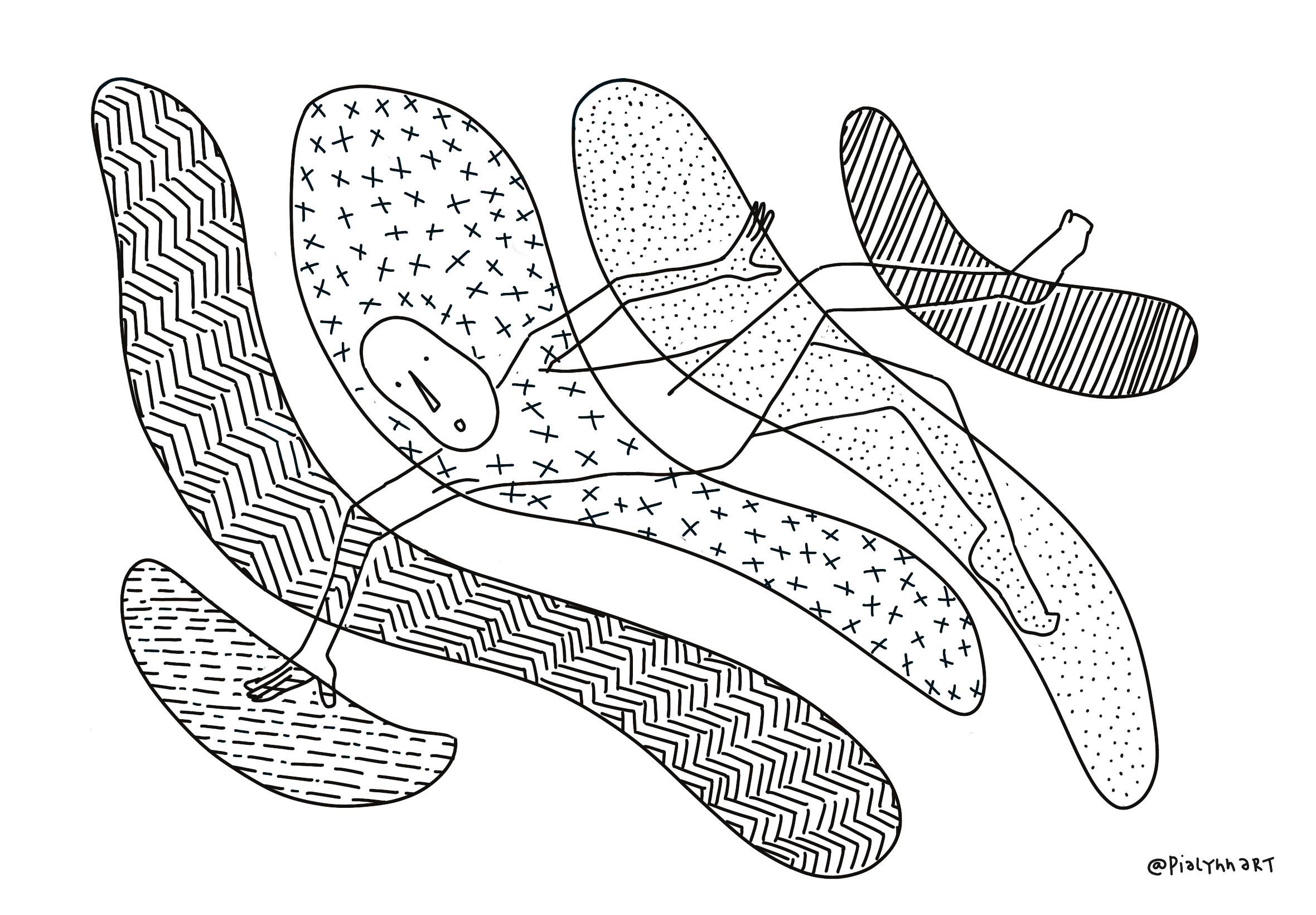
I have many friends. And hobbies. And creative projects (this is one of them).
I like long walks, long runs, and long bike rides. I like to dance. Oh, how I like to dance!
I love California. I love Europe. I love New Zealand and Argentina and Utah.
Would you ask me to choose between friends? Between hobbies? Between geographies? Between dance partners?
You would not.
You would accept that in these realms, many loves are possible—in fact, desirable.
The brain does not always want to write. The body does not always want to run. California does not own “the good life,” nor does New Zealand. Some dance partners move quickly, some slowly. Some friends challenge you, some nurture you.
With a diversity of influences, you become wiser. With multiples modes of expression, you know yourself better.
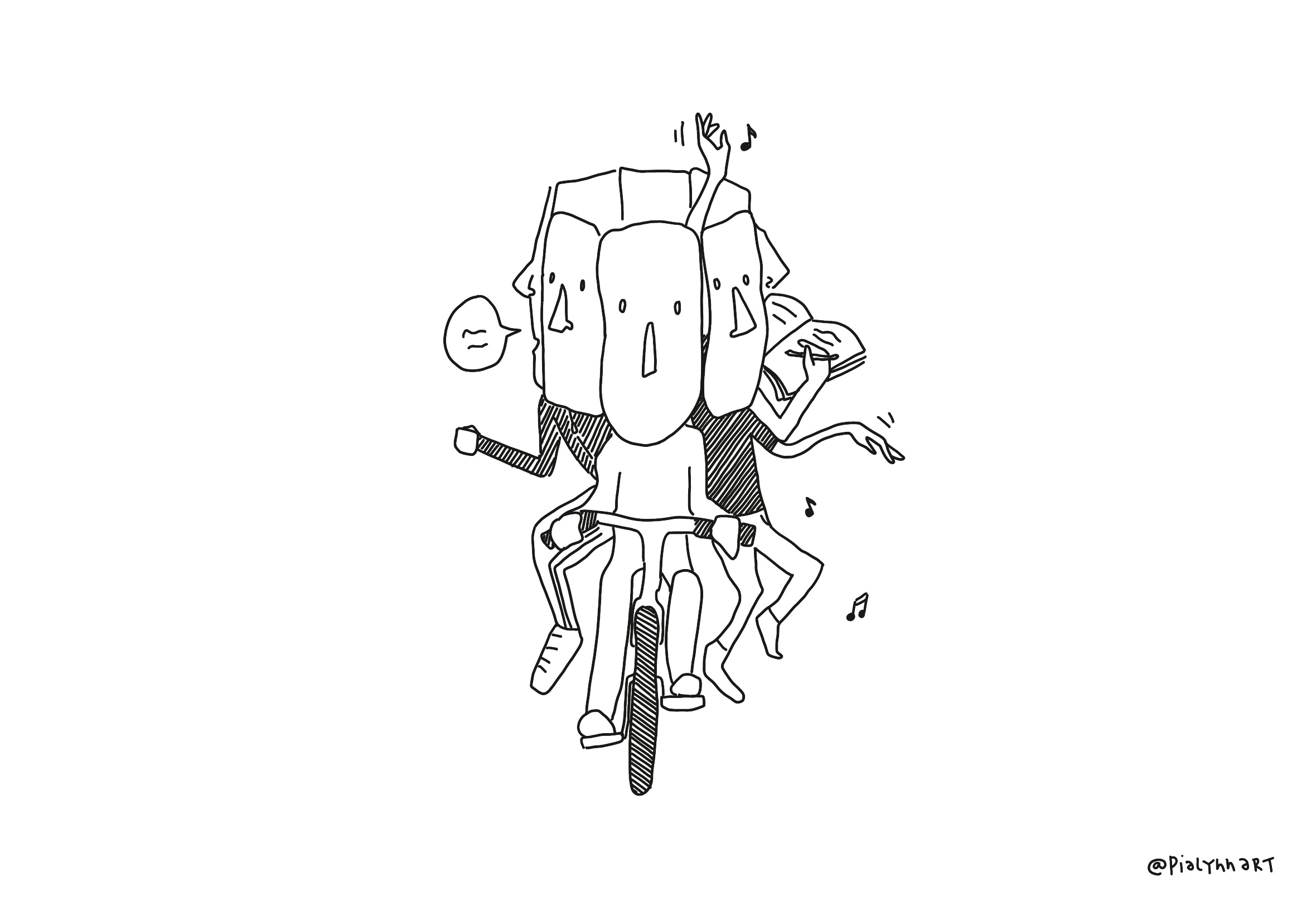
Planting a single crop across an entire field is efficient.
It’s also fragile.
With time, you may believe that you know this plant, that you can anticipate its next move. With sufficient plowing, monitoring, application of pesticides, and exclusion of competitors, this might even be true—for a while.
But this species was not born in a fallow field. It arose amongst a rich, chaotic web of dirt, decay, competition, collaboration, and cross-pollination. It arose amongst the world.
Its memory runs deep, and its memory says: I was not made for four corners. I was not made for the plow. I have many origins. I contain multitudes. And no one farmer, no single steward, no matter how benevolent, can replace the world.
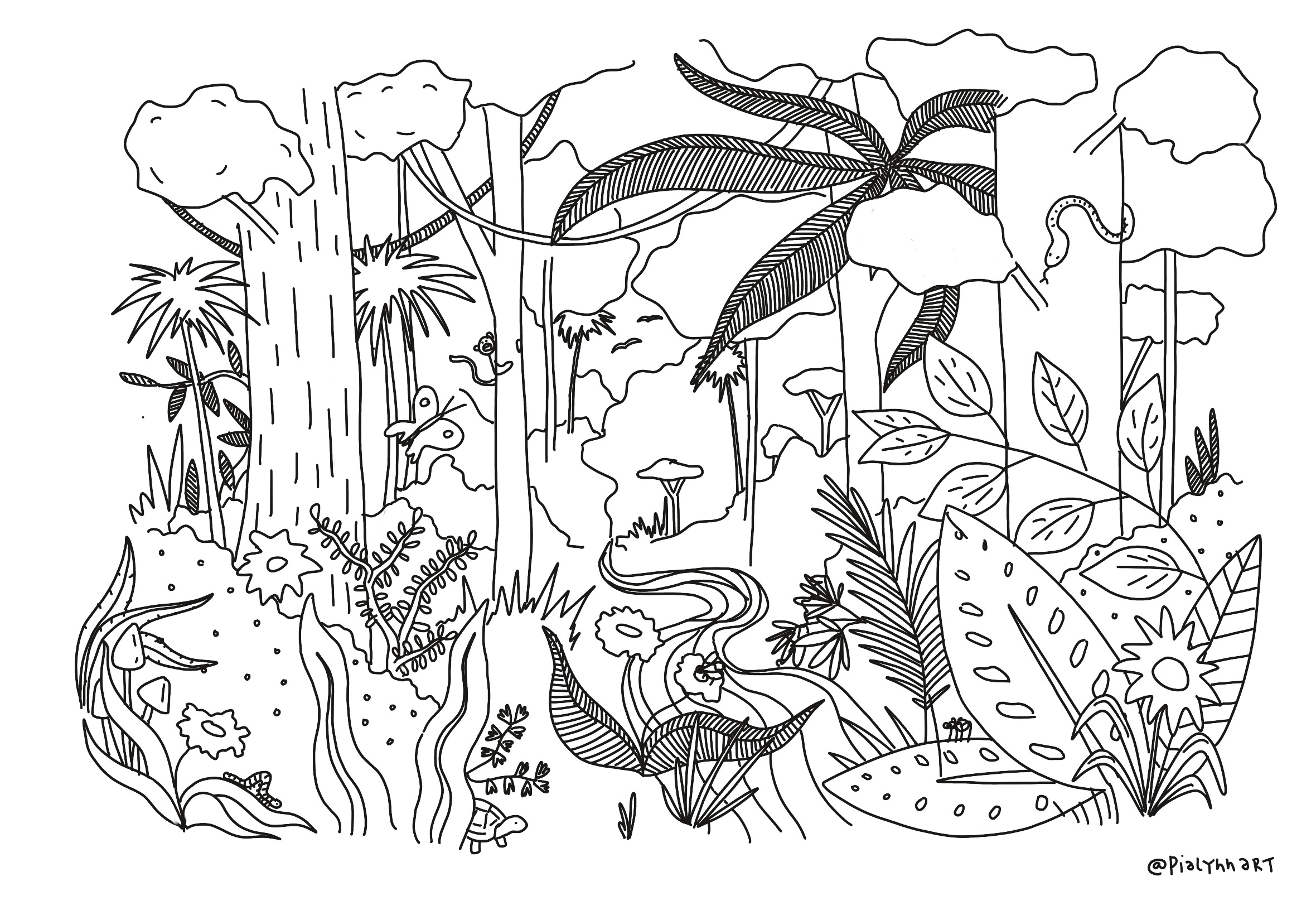
You want security. So do I.
There’s one way to get it, at least for a while: subjugation at home and vigilance abroad. Provoking wars in the name of self-defense. Surveilling the homeland for enemies foreign and domestic. Guarding your hoard of gold like a dragon.
Tell me, what do you do with your money to feel secure? Do you keep a wad of cash under your mattress, slumbering atop its reassuring lump? Do you gamble it on a single glimmering stock, one that caught your eye years ago? Do you spend it as quickly as possible, so no one can ever take it from you?
Or do you do the boring and effective thing: investing in a diverse portfolio, and then not messing with it?
Can you take a similar approach in other parts of life? Can you find security in many different places, lower your defenses, and give up your worrying, controlling, and warmongering?
Can you joyously accept that you are but one part of someone else’s fecund world of friends, family, work, hobbies, solitudes, and yes, romance?
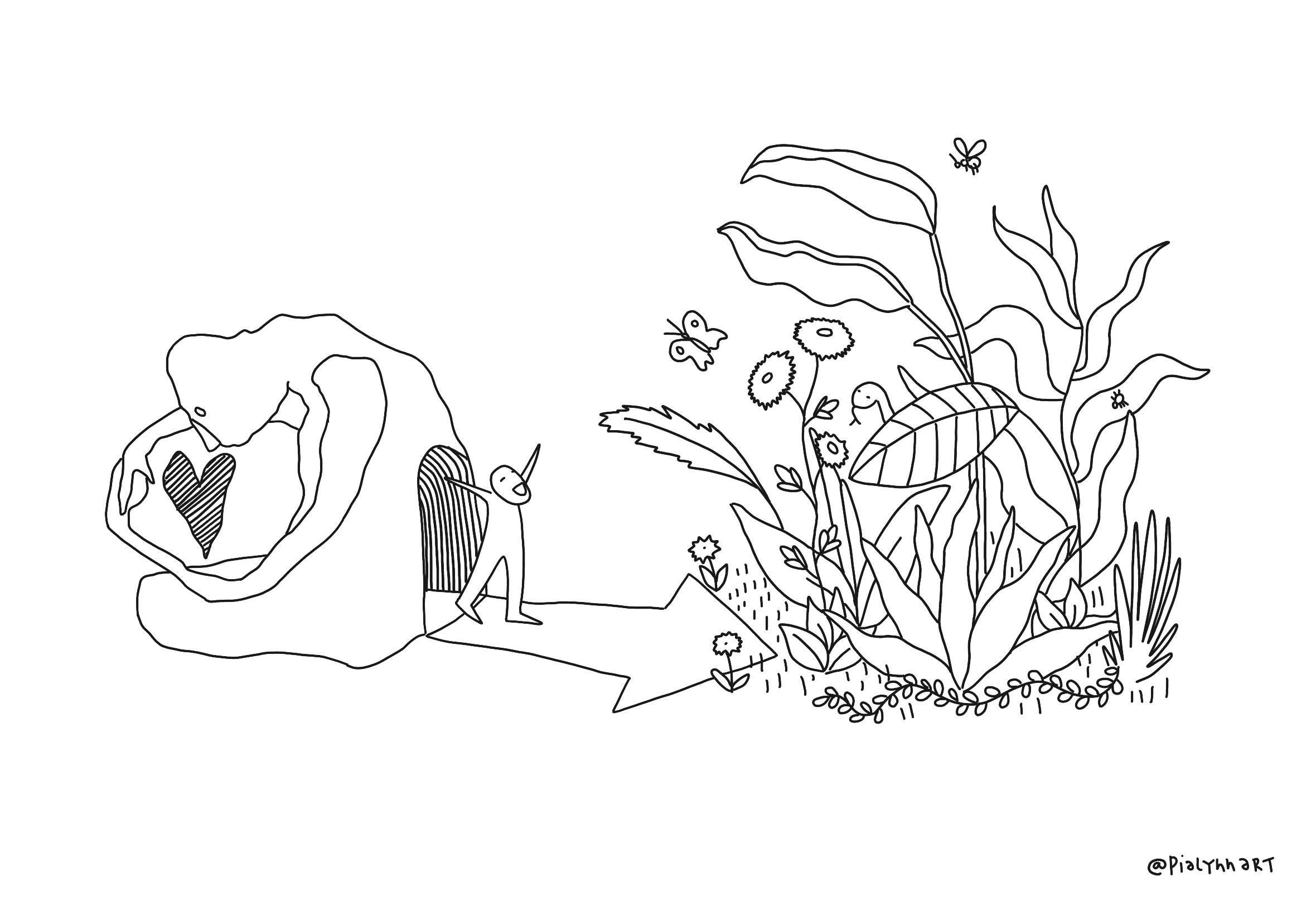
These are the questions I began asking myself seven years ago, amongst the pain, confusion, and dissolution of another standard-model romantic relationship.
The narrative was unfolding as it had many times before. They want more of me, I want more of the world. We argue, I withdraw. We read books, we get help. Things get better, things get worse. One day, I decide to return to the world, by which I mean: visiting friends and family, taking adventures, reading, writing, dancing, working with teens, exploring new cities and continents, and being alone in nature.
Returning to the world is easy, because being “on my own” doesn’t involve stagnant isolation, but rather a thriving ecosystem of social connections, profound experiences, and joyous solitudes.
I’m neither aromantic or asexual. I crave serious, meaningful romantic connections. But so many people seem to be looking for someone to become their entire world, while my world is already quite complete and satisfying.
Where are those who aren’t looking for “the package deal,” but rather an exquisite side-dish to the entrée of their already rich, full, joyous existence?
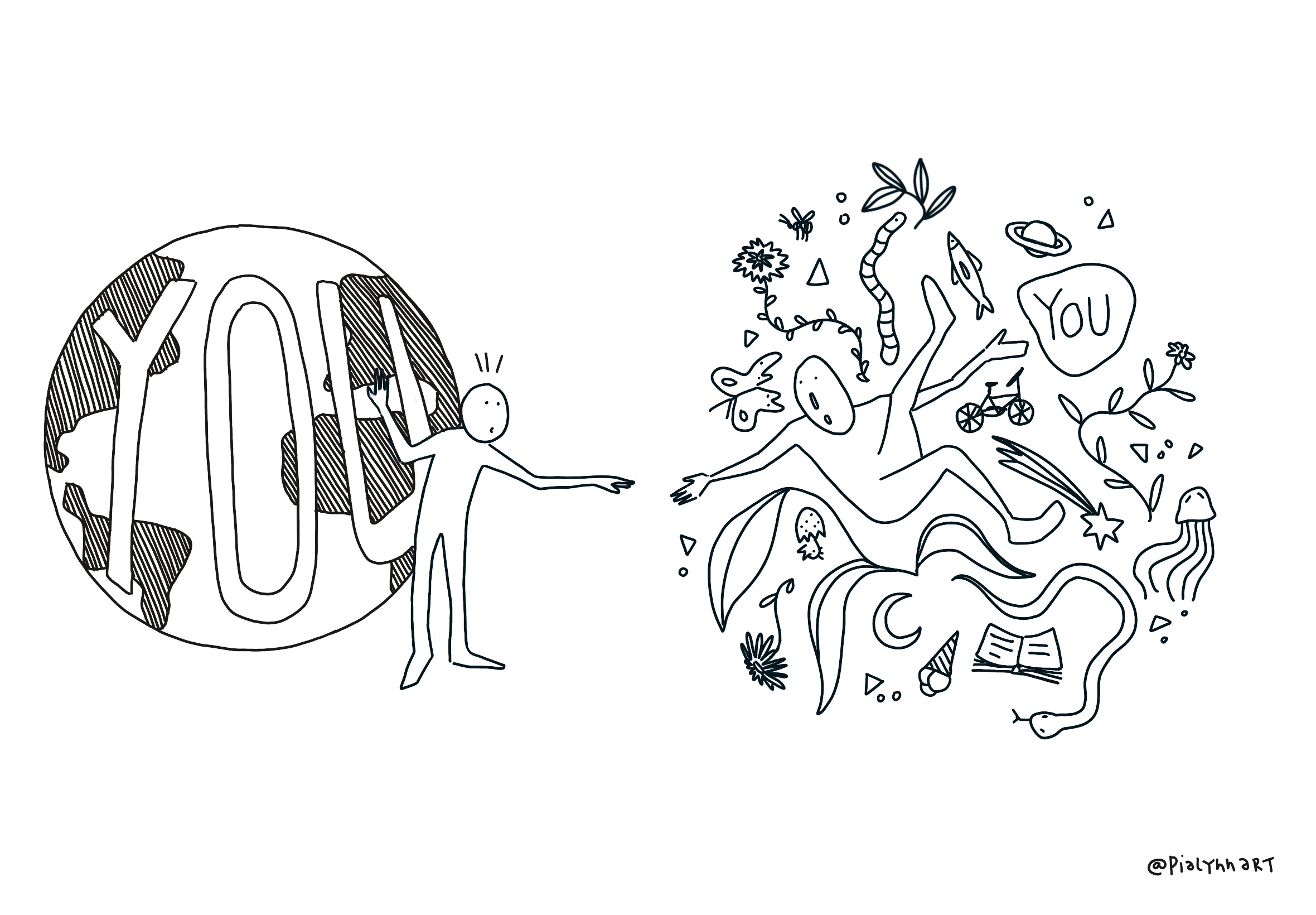
In the Barbie movie, Ken asks Barbie to become his long-term, long-distance, low-commitment, casual girlfriend.
It’s a brilliant parody of the “situationships” that men are more likely to perpetuate than women (though the dynamic can exist between any genders).
We might explain this desire through the lens of attachment theory, evolutionary psychology, or feminism. We can ask why some types of people consistently fail to fit themselves into the “conventional relationship” box. We can label, diagnose, and demand assimilation.
We do something similar, every day, with young people who fail to fit into the box of “conventional school.”
Or we can ask: given what someone states about their needs and values, what kind of relationship might work for them? Are there at least a few other people out there who want something similar?
I don’t find Ken’s offer abhorrent on face value. (At least he’s openly communicating his desires!) But I prefer committed connections over casual ones, because depth, loyalty, and shared investment are meaningful to me. A diversified relationship portfolio does not make individual relationships disposable. I don’t want to drop anyone on a moment’s notice, nor do I wish to be dropped.
What if we modified Ken’s statement by replacing “low-commitment” with “high-commitment” and “casual” with “loving?” Can a long-term, long-distance, high-commitment, loving partnership exist—one that doesn’t consume all the oxygen in the room, leaving plenty of space for multiple worlds to co-exist? Is this still parody?
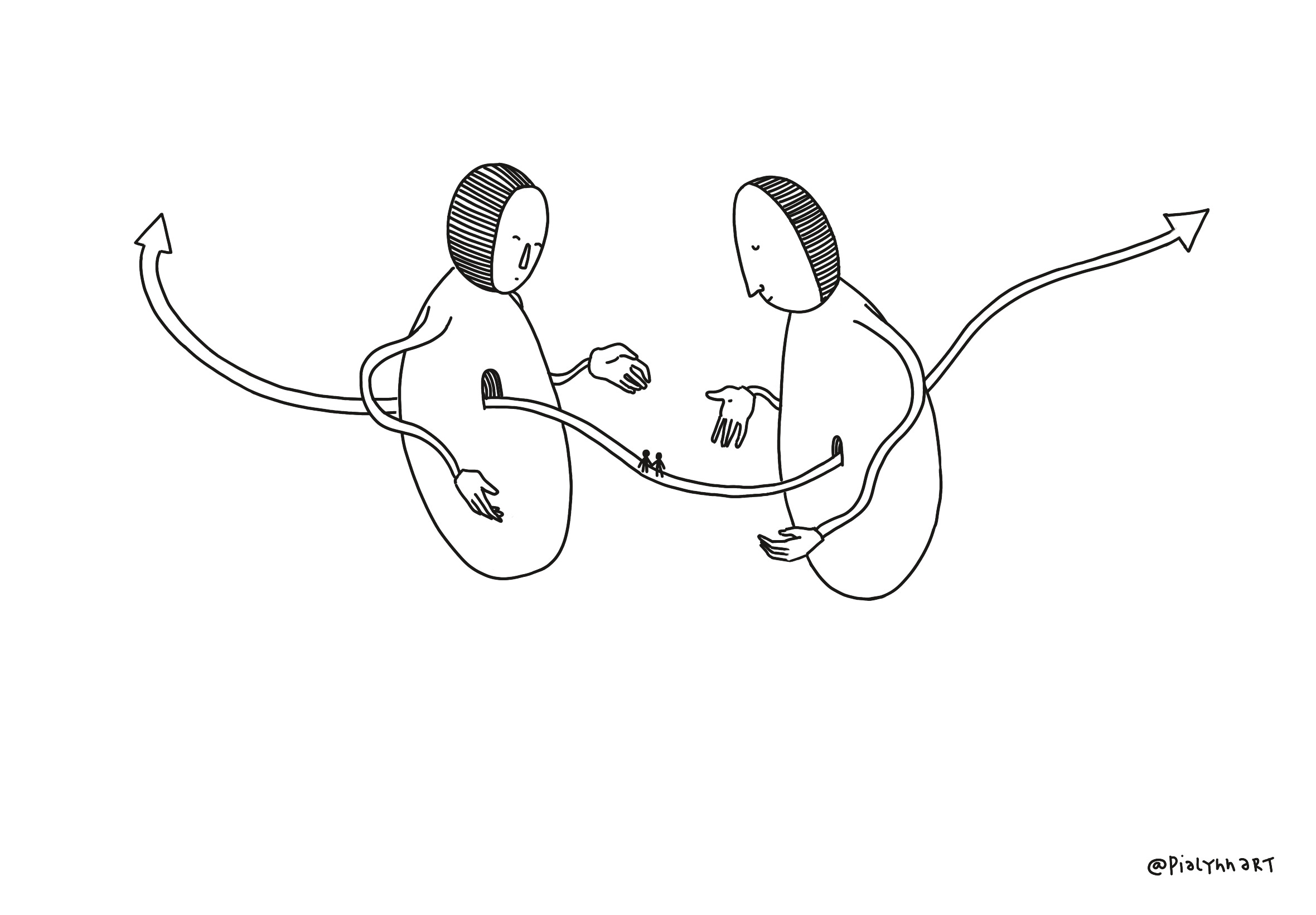
Right now, I’m exploring this question through two evolving partnerships: one with a woman in the Czech Republic, and another with a woman in the United Kingdom.1 Neither relationship is yet a year old, but both involve significant degrees of love, commitment, and communication. Long-term is the goal.
The first woman has a boyfriend of two years, with whom she shares an apartment, co-founded a business, and was explicitly “open” from the beginning. The second has a full and satisfying life, to which I am a welcome (and growing) addition.
Everyone knows about everyone else. Transparency is high, assumptions are few, subterfuge is nil, and power games are non-existent. Each of these relationships has the potential to evolve in radically different directions—and that’s part of their joy.
Most importantly, none of us feel deprived. It’s all value-add. We each have a special somebody who is (temporarily) on the other side of the world. We each have our busy home lives, even as my “home” is on the road. This is what makes non-exclusivity feel so safe, honest, and desirable: the deep autonomy, the radical openness, and the delicious anticipation of the next reunion.
Yes, these factors can exist in a standard-model relationship. A long-term, exclusive, non-codependent relationship is a beautiful thing. It just so happens that, due to some combination of personality, upbringing, and culture, exclusive romantic relationships have always seemed to lead me in the wrong direction. So instead of hitting replay on that particular narrative, I’m committing to a new practice.
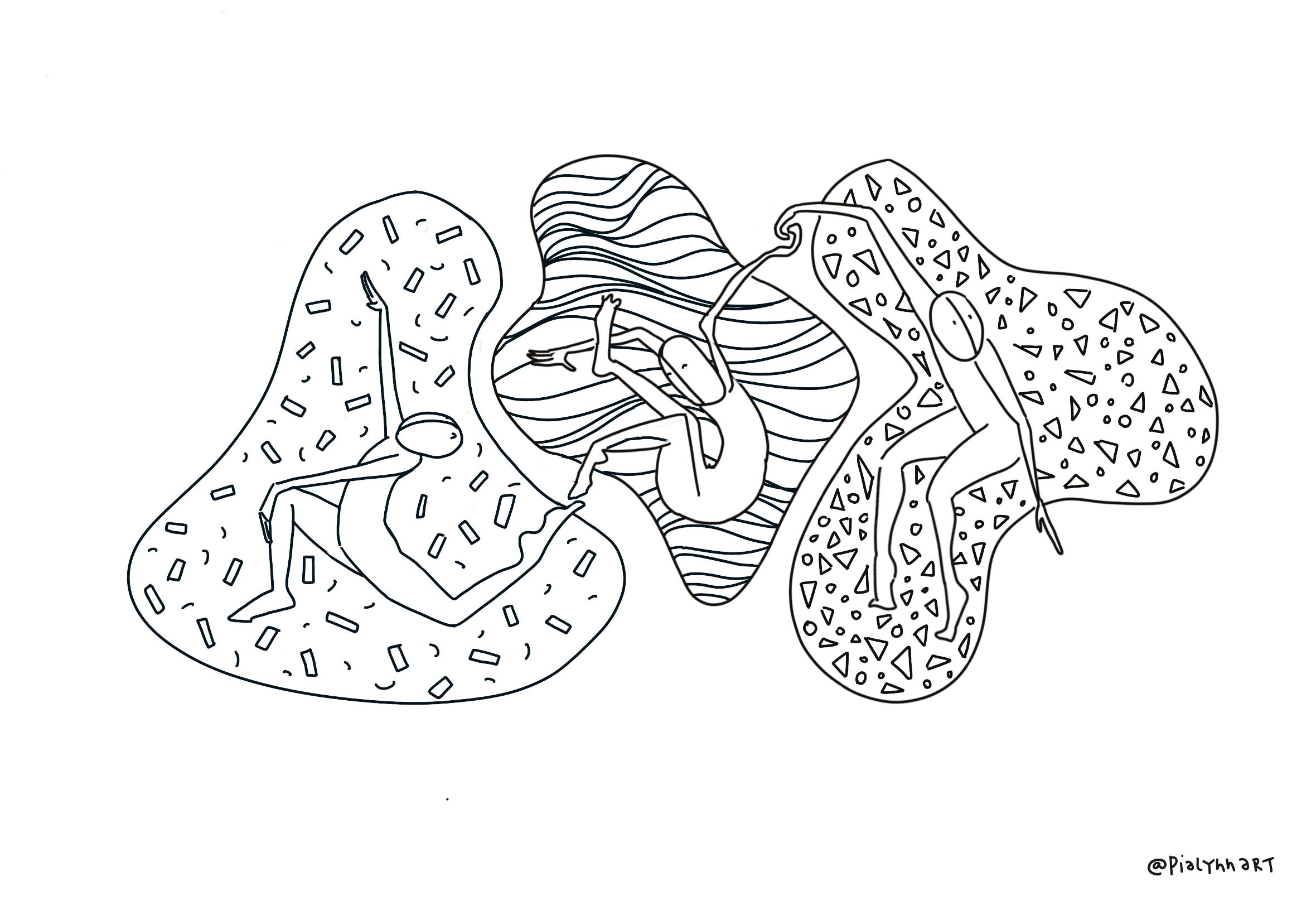
I harbor no illusions that this approach is straightforward, pain-free, or without surprises. Conflict and vigilance come in many flavors. Much like becoming self-employed or a self-directed learner, I’m sure that leaving the predictable, plowed rows of romantic monoculture for a messy permaculture will leave me yearning, some days, for the structured simplicity of a workplace or school assignment.
While most people intuitively accept non-exclusivity in the realm of friendships and hobbies, speaking about romantic non-exclusivity openly in “polite society” remains largely taboo. Despite a flood of new books and broad interest, it’s difficult to honestly answer a family member, co-worker, or young person when they ask “if you’re seeing someone,” because speaking openly about your relationships (plural) carries a risk of moral judgement. Many people assume that non-exclusivity is either hyper-casual (no one is serious, no one can commit) or hyper-involved (everyone is “processing” everything, all the time). But my observation of those practicing long-term non-exclusivity is that it’s absolutely possible to find terra firma between these extremes.
All human entanglements are messy. Let’s revere neither nostalgia nor utopia.2 There is no mythical past to return to, like the “happy marriages” and “stable families” of the 1950s. Nor is there some perfect, enlightened, “alternative” system of relating to strive for.
To discover the truth behind relationship styles, we must try a variety of approaches, commit to them for a while, gather feedback, be painfully honest with ourselves, and then revise our commitments. We must experiment with our personal lives, just as we tinker with the physical world. And to the extent that we share our methods and results publicly, we will help others do the same.
I’ve benefited greatly from others writing and speaking about their relationship experiments. Now I’m attempting, as much I can comfortably bear, to pay that debt forward.
Exclusively non-exclusive. Full commit. Let’s go.
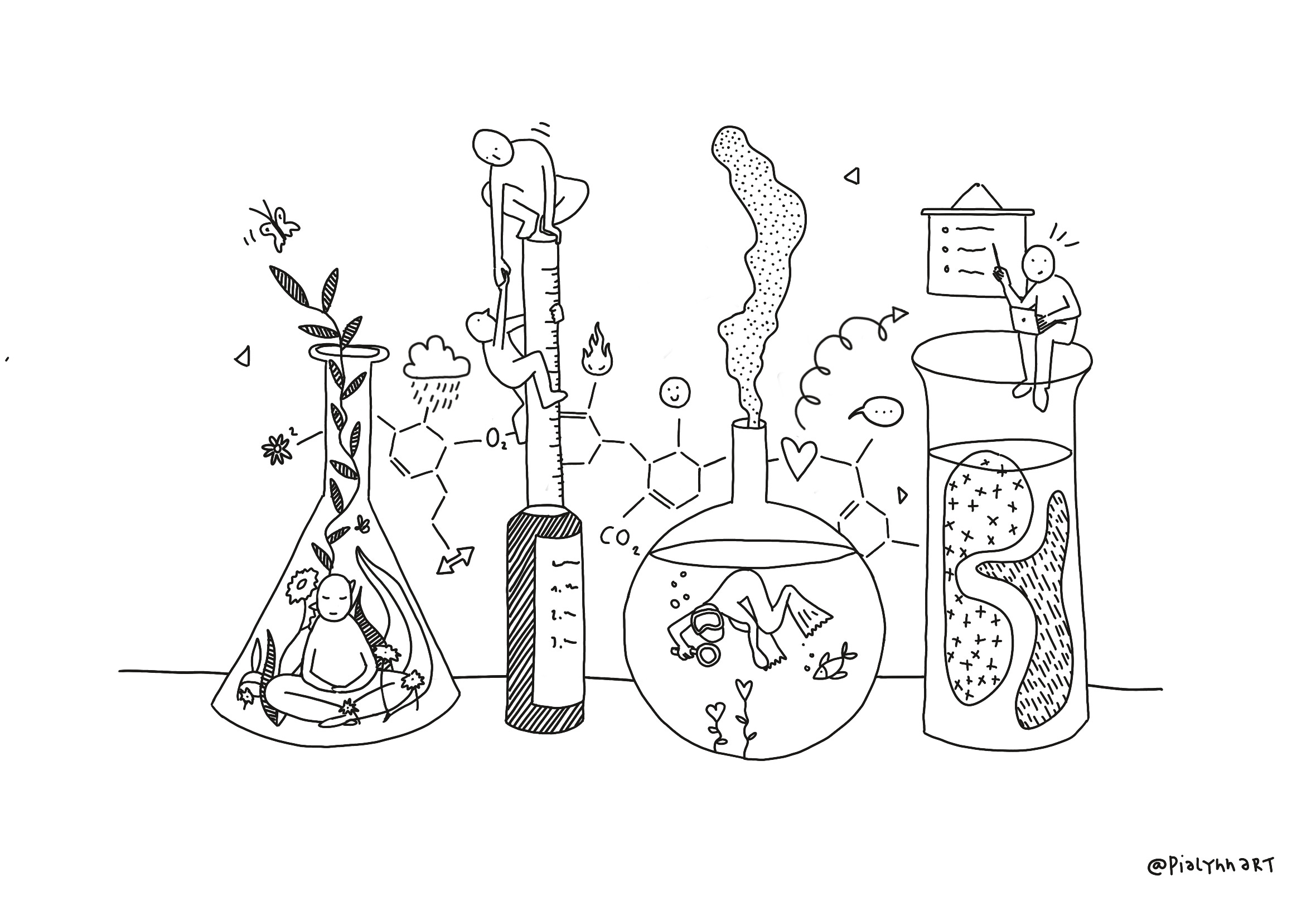
Original illustrations by my friend Pia, an artist who does therapy and coaching.
Thank you to Siân and others for providing editorial feedback.
If you enjoyed this, you might also enjoy: My Attachment Style is “Existentialist”, What Matters in a Partner, and Pure Magic.
Each happily consented to appearing here.
The wonderful phrase “neither nostalgia nor utopia” was popularized by John Vervaeke.
As someone who is in a monogamous long-term marriage, I totally agree that everyone should feel it out and find what works for them. I'm a highly introverted, autistic, socially anxious woman who gets overstimulated easily; I find that long-term monogamy suits me. But even within that, my husband and I don't do all the "typical" things that married couples are supposed to do. For instance, we have never shared a bedroom. We don't even share a bathroom! We were also together 9 years before we decided to get married. We each need our own space and respect each other's privacy. We have our own hobbies and our own lives which we share with each other purely because we want to, not out of obligation.
Anyway, my point is that I love the idea that everyone should strive for situations that work for them as unique beings. Maybe that will be within the convention, maybe not. Maybe it will be unconventionally conventional, or conventionally unconventional. The key is total honesty with oneself and one's partner(s).
Blake, I could ramble on in specifics of why, but I’m just going to say I really love this article. And I so admire how willing you are to embrace the vulnerability and authenticity of widely sharing your journeys in life and love, so honestly, intelligently, and articulately.