

A few weeks ago, I had to get rescued.
I sprung a flat tire south of Boston, one I couldn’t repair myself.
I hadn’t packed the right tool for the job: a major oversight for someone on his fourth bicycle tour. But even if I had, I don’t think I would have been able to remove the extra-sticky tire from the wheel’s rim.
My cousin Beth graciously picked me up in her car, dropped me at her house, and purchased the tool I needed. I grunted and sweated on her front porch for a couple of hours as YouTube bicycle gurus patiently walked me through the repair process. Even with their sage wisdom, I couldn’t seat the tire properly on the rim.
The next morning I rode six wobbly miles to the nearest bike shop, where another guru deflated the tube, sprayed a little lubricant onto the tire’s edge, and massaged it back into alignment in under two minutes.
I paid the guru $40 and continued on my way: grateful, humbled, and sheepishly aware of my lifelong mechanical incompetence.

My brain is well-suited for “knowledge work.” Computers, language, and abstract reasoning have always come naturally. Systemizing and optimizing are second nature. When I went away to university, it felt like arriving home—everyone shared my neurotype! I adored my four years in academia, and in some ways, it feels like I never left. Many of my friends hold PhDs, and I still love reading stuff that might be assigned in a college classroom.
In a parallel universe, perhaps I’d make a decent computer programmer, financial analyst, graphic designer, business consultant, scientific researcher, or classroom teacher. But in this universe—the real one—I struggle with one, big, glaring fact:
I am unwilling to accept a sedentary, screen-based existence.
I will not work in an office. I will not spend all day inside. I will not embrace the life of the UC Berkeley astrophysics graduate students I witnessed at age 20: laboring away in dark caves in front of glowing screens as the California sun poured down from the heavens above, just steps away.
I realized early in life that I wanted life to happen out there, not in here. I needed to use my body in a meaningful way every day. I craved travel, adventure, and seasonal migration. These powerful impulses, I correctly suspected, would not be satisfied with two weeks of standard vacation or even a teacher’s two-month summer break. My first acts upon graduating college were working at an outdoor science school, attempting to hike the Pacific Crest Trail, and getting certified as an Emergency Medical Technician: getting out there, and getting my hands dirty.
There was just one, big, glaring problem with my desire to participate in the physical and mechanical worlds: my brain just doesn’t work that way.
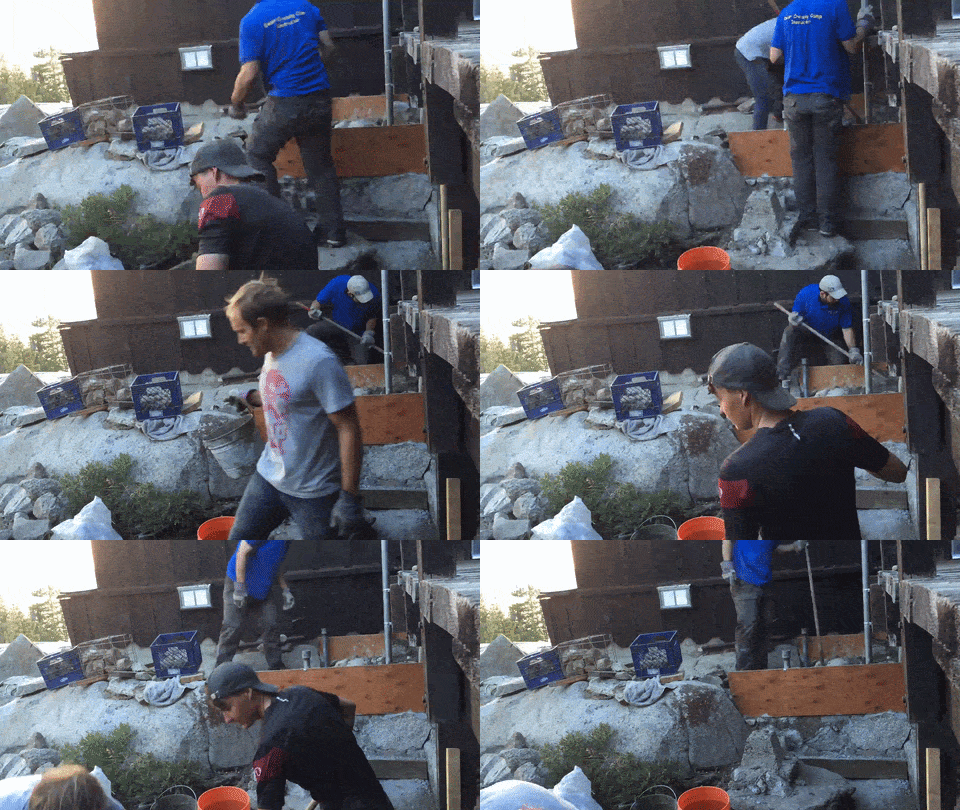
If you want to build a house, fix a car, or plant a garden, you don’t want me on your team. You’ll spend all your time explaining simple tasks, ones you could complete yourself twice as quickly. Maybe I’ll do a passable job, maybe not. A few days later, you might need to say it all again.
When I started working at Deer Crossing Camp, an off-grid children’s wilderness camp in the California High Sierra, the director quickly realized that I could not be relied upon to solve mechanical problems. How do you make a minor repair on a canoe? How do you activate the pilot light on a hot water heater? How do you dig a hole in rocky soil? (Literally: How do you dig a hole?) He had to walk me through each step slowly, like a child learning a household chore for the first time. If I took careful notes and repeated the task a few times with adequate supervision, it might work out. But compared to my co-workers David, Julie, Dan, and Vince—who could be presented with a mechanical task, envision a solution, and just solve the problem—I felt deeply, woefully, and painfully incompetent.
Yet like a clueless and enthusiastic 5th-grader who keeps showing up to soccer practice despite being the worst player, I continued throwing myself into Deer Crossing Camp, wilderness medicine courses, and outdoor situations requiring technical problem-solving. The incompetence remained. It felt bad. And truthfully, I never improved much.
But not participating in these spheres of incompetency would have felt much worse—because the outdoor, physical, and material realms offered something that I desperately needed, something that made me feel whole, and something that the abstract world of symbol-manipulation could not provide.
I am not a brain on a stick. None of us are.
One day, I realize, this desire might bite me in the ass. My bicycle will break down somewhere more remote than metropolitan Boston, and I won’t be able to MacGyver it back to life.1 Bad weather will overtake me during a mountain adventure, and I won’t be able to improvise a shelter. I will get myself in trouble, perhaps mortally so.
“What was that guy doing out there?” people will say. “He should have stayed closer to civilization, where he belongs.” They won’t be wrong.
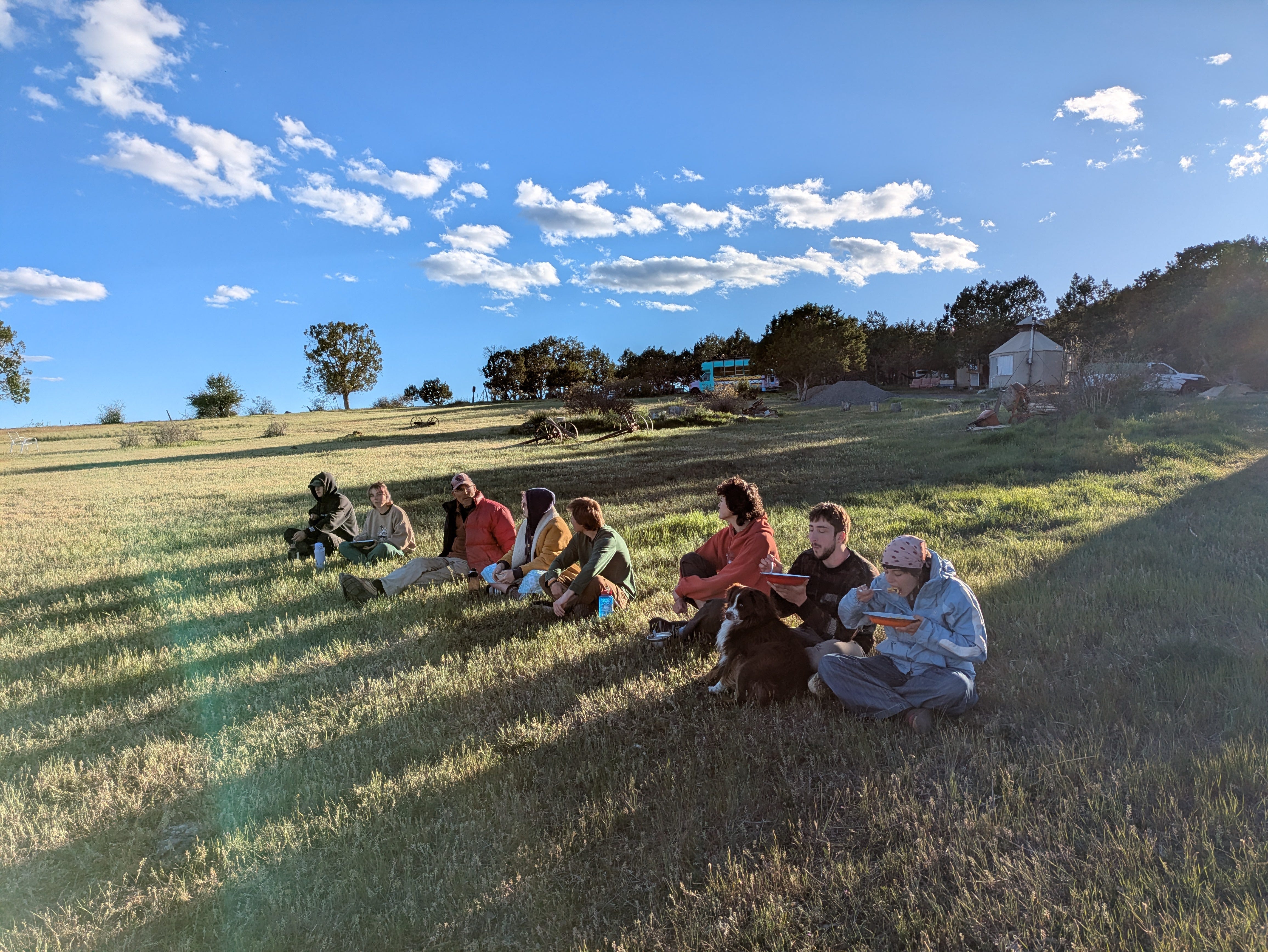
I type these words from my friend Dev Carey’s property in Paonia, a small town in rural western Colorado, where I’m staying for 10 days before continuing my bicycle tour.
On this visit, I’m sleeping in a tiny house. On previous visits, I’ve slept in a tent, strawbale hut, half-built yurt, and normal guest bedroom. Like everyone else here, I pee in the woods, relieve myself in a composting toilet, and bathe in an outdoor solar shower (only warm on sunny days).
This isn’t just a family homestead; it’s also the site of the “High Desert Center” where Dev and his wife Marian ran gap year programs for groups of 17- to 23-year-olds over the past decade. With the assistance of these young people, they slowly constructed a ramshackle collection of dormitories, living spaces, and outbuildings. (Learning “natural building” was one of the program’s selling points.)
This month, some of his alumni have volunteered to return and help build a new dormitory, sauna, and greenhouse. I just happen to be visiting at the same time: a delightful coincidence.
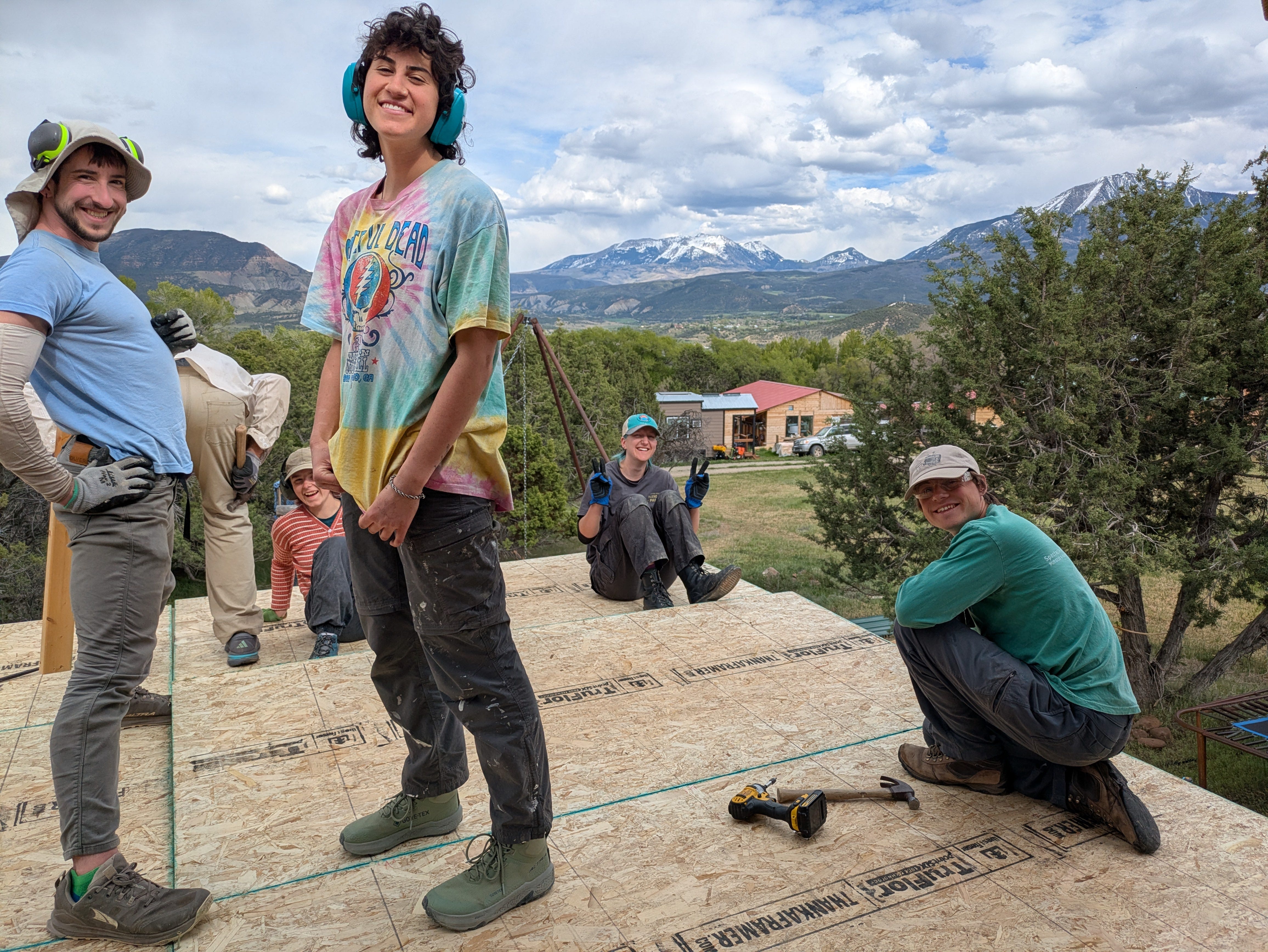
The young people who join Dev’s programs historically hail, like me, from suburban environments. They lack mechanical intuition. But that’s the point: they’re on a gap year to live closer to nature, build new skills, get challenged in non-academic ways, and develop a more nuanced concept of “sustainability.”
Together, one of Dev’s construction teams might accomplish what he could do himself in the same time (or less). But Dev adores community living and taking the role of educator and mentor, so on balance, it’s worth it for him.2
Dev is a rare soul with both mechanical and academic intuitions: he holds a Ph.D. in ecology, but he can also build a house from scratch, fix a washing machine, and backpack for weeks across mountains and deserts. Yet even Dev’s abilities pale in comparison to his neighbor, Eric, a college drop-out who can build, fix, or renovate nearly any mechanical system. I once witnessed Eric and Dev work together to relocate a 2,000-pound concrete cistern without any engine-powered machinery, devising a bespoke pulley system to create massive mechanical advantage, completing the job in a single day.
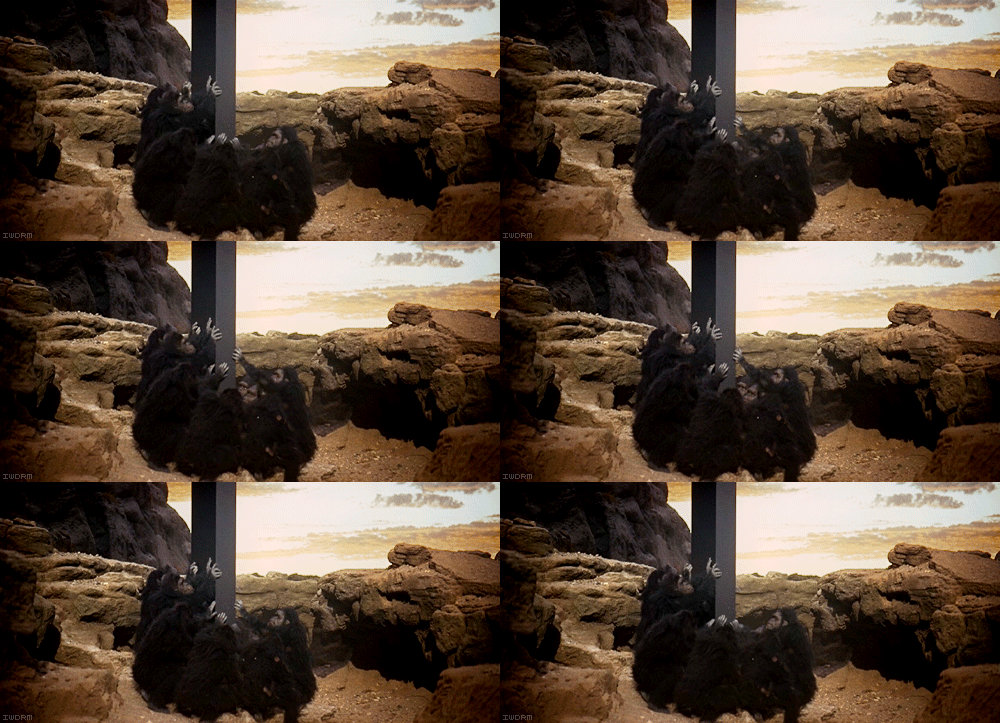
If I were given that task, I would probably stare at the cistern like the apes stared at the alien monolith in 2001: A Space Odyssey.
And that’s exactly how I felt that day, as I grabbed tools for Dev and Eric but mostly stayed out of the way: like an ignorant ape among intelligent humans, or really, an ignorant human among mechanical demi-gods.
I keep circling back to Paonia for the same reason that young adults keep showing up for Dev’s programs: because it’s rare to find a warm, welcoming community where we incompetents can be gently shepherded into basic mechanical ability. It’s hard to find role models like Eric and Dev. We children of the suburbs have been raised by computers and classrooms, we sense our disconnection to the physical world, we’re told to “touch grass”—but we don’t know how.3
Paonia is one of those rare places where techies, ranchers, PhDs, coal miners, and back-to-the-landers still rub shoulders—a fact I recall every time I go to the grocery store and witness a full spectrum of clothing, footwear, and dirt-encrustation.
It’s rare because, as the journalist Derek Thompson has long observed, people in the United States (and many other countries) are increasingly self-segregating by income and education level.
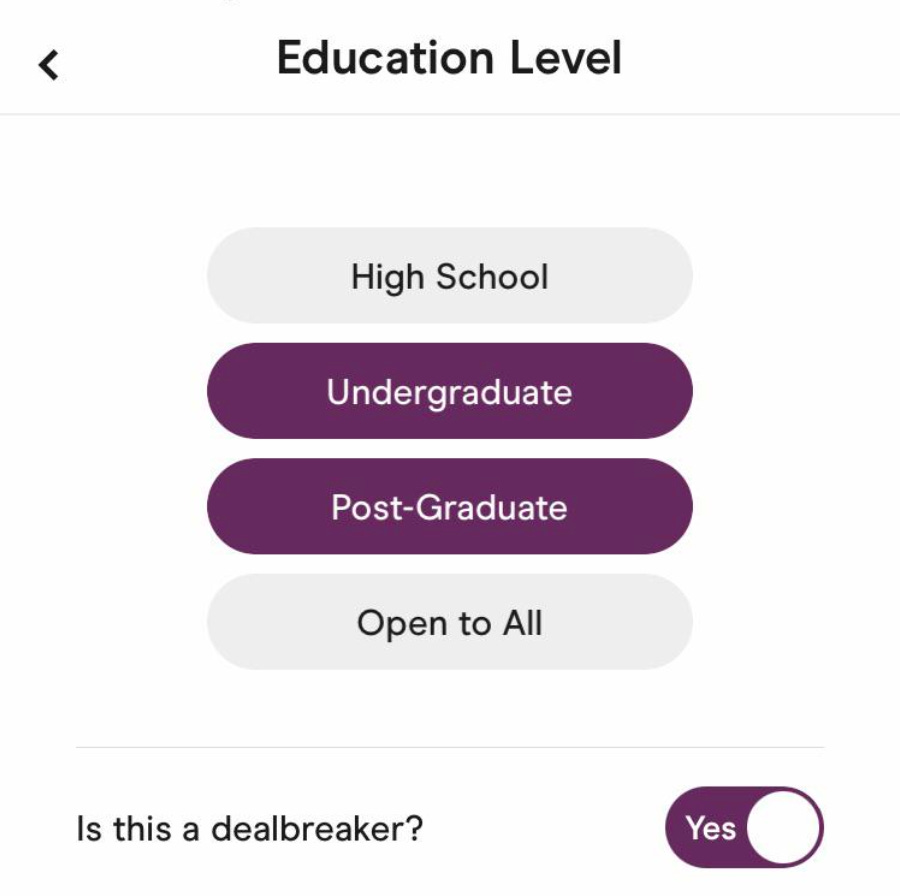
This is clearest in dating and marriage, where once upon a time, you might actually have met someone from a very different social class at the proverbial bar and formed “a union between opposites.” While today, as Thompson puts it, “rich marry rich; poor marry poor.” The same goes for educational segregation, which is made shockingly easy by dating apps, where a majority of couples meet today.
Another way to interpret this trend is that certain neurotypes are clustering ever more tightly. Knowledge-worker-type brains are flocking to metropolitan areas (where their high salaries cover high rents), while other brains are moving to more affordable parts of the county, state, or country (a.k.a. “flyover country”). The rich diversity of personalities, values, and aptitudes you might have once encountered in the average city, town, or neighborhood is disappearing.4
This phenomenon is most apparent in places like New York, San Francisco, or Portland, Oregon, where the wealthy, liberal, and “smart” inhabitants can handily locate a flat white or community theater but may struggle to complete the most basic mechanical tasks. Simply speaking with the person they hire to solve a problem may pose a challenge, as the former Yale professor William Deresiewicz illustrated in his wonderful 2008 essay, The Disadvantages of an Elite Education:
I’d just bought a house, the pipes needed fixing, and the plumber was standing in my kitchen. There he was, a short, beefy guy with a goatee and a Red Sox cap and a thick Boston accent, and I suddenly learned that I didn’t have the slightest idea what to say to someone like him. So alien was his experience to me, so unguessable his values, so mysterious his very language, that I couldn’t succeed in engaging him in a few minutes of small talk before he got down to work. Fourteen years of higher education and a handful of Ivy League degrees, and there I was, stiff and stupid, struck dumb by my own dumbness. . . . I could carry on conversations with people from other countries, in other languages, but I couldn’t talk to the man who was standing in my own house.
I mention this not only because I’ve found myself in similar situations (cue the bike shop guru) or because it’s relevant to modern political polarization (which I’m trying to address in my work with teens), but because it feels connected to a very big, long-standing, personal question: Why can’t I settle down?
If your brain is made for “knowledge work” but your body craves physical, embodied, and mechanical challenges—especially in connection to nature—where shall you live?
For me, living in big cities has always felt profoundly alienating: because daily life mostly takes place indoors, under fluorescent lights, far from nature. Yes, I love a good flat white as much as the next laptop jockey, but if it weren’t for partner dance and the presence of certain friends, would I spend much time in big cities? I would not.
At the same time, living in small towns and rural areas, where a more physical daily existence and profound connection to nature is possible, doesn’t feel sustainable—because my mind desperately craves a diversity of conversation. Even in South Lake Tahoe, California, one of the closest places to Shangri-La (combining mountains and culture) I’ve discovered, I would consistently feel alienated after six months of outdoor- and sports-centric discussion (and insufficient levels of partner dance).
Perhaps this is why I’ve struggled to abide in a single place for most of my adult life: when particular neurologies congregate in particular geographies, the only way to “have it all” is to keep moving! A big city one month, a rural area the next, and then a bicycle tour that ping-pongs constantly between city and country.
This isn’t yet a complete theory, but there’s some nugget of truth here. If you’re a knowledge worker who adores nature, craves diverse social connection, and loves poking the bear of mechanical incompetence—you may never find a single place to call home.
Theory, theory, theory—it’s the way of my brain.
Back in the physical world, the dog is napping under the picnic table, the young adults are shooting nails into wood (with Dev’s reassuring voice), and I’m putting the final touches on my bike touring setup before tackling my first stretch of real, badass, Colorado terrain: riding from Paonia to Durango, a couple hundred miles with an 11,400’ (3,500 meter) pass in the middle.
I’m proud to report that I’ve notched a few mechanical victories onto my belt in recent days. I reassembled my bike “by myself” (i.e. with YouTube gurus) from its disassembled, boxed-up, airplane-friendly state. I adjusted a rubbing brake pad. And I sealed the seams on my new tent with a silicone epoxy that I mixed myself.
To anyone gifted with mechanical competence, these are laughably simple tasks. I am absolutely that suburban-bred, ivory tower, head-in-the-clouds knowledge worker who feels intimidated by the simplest mechanical conundrum. But on the other side of intimidation is confidence—and eventually, pride.
Maybe I’m an idiot for continuing this bike trip. Maybe, in the name of self-preservation, I should stay in my neurological lane. But making that choice would feel like a loss, betrayal, and some version of cowardice.
Our brains operate (and do not operate) in ways that are clearly bred into us, shaped by early experiences, and largely beyond our control. Sometimes they align with historical and economic trends offering material rewards; sometimes they don’t. Sometimes they lead us to clear geographic niches; other times they leave us homeless or nomadic.
One thing I know for sure is: We’re all deeply incompetent, in some important way. It’s probably not worth worrying about how you’ll overcome your incompetence—you won’t!—but rather how you can surround yourself with enough good people to fill in the gaps, teach you something new, inspire you to leave your bubble, and mutually benefit from whatever you do best.
For now, I’ll keep writing, speaking, hanging out with teenagers, and riding my bike stupidly long distances—no matter how dumb it makes me feel. 𖤓
📯 Yesterday I gave my first public talk about Dirtbag Rich, with a nice introduction by Dev! Watch it here. (Silverton, Durango, and Dolores are next.)
Thank you to Julie and Dev for commenting on an early draft of this.
For those unfamiliar with the TV show MacGyver, to “MacGyver” is to make or repair something “in an improvised or inventive way, making use of whatever items are at hand.”
Dev isn’t running formal gap year programs anymore, but he’s open to collaborations and scheming: devbrennan@gmail.com
For the record, the young people who are here now, who are somewhat older and specifically elected to join a build party, are more mechanically inclined than his average gap year student. They’re getting stuff done.
The New Geography of Jobs (2013) explains the emergence of modern-day “brain hubs”.
Loved this! Last year I embarked on a “1 month” bedroom renovation that took 13 months, despite countless YouTube gurus called in. It was intensely frustrating but also a genuinely useful lesson in patience. I suppose I too like to poke the bear of mechanical incompetence, and I see the value in it even when one’s brain may not be ideally suited that way!
I learned to do mechanical stuff by doing the thing almost no one thinks about: reading the textbook. Sounds weird (or maybe it sounds perfectly reasonable), but I needed to understand 'the principle" of the thing before I could understand how to mechanically do it.
I.e., I actually read the plumber's manual, the electrician's manual, the same books the plumbers and the electricians read to get their certifications. After that, I knew what to do in a way that felt more intuitive. Then after doing it a while, the muscle memory starts to kick in and it feels something more like 'actual competence.'
I'm a knowledge worker in my daily life, but I learning the trades in part by treating them like knowledge work. 🤷♂️