

I recently ran a workshop called “How to Be Free.”
This happened in Zurich, Switzerland, at a self-directed learning center for teenagers who crave high amounts of personal freedom.
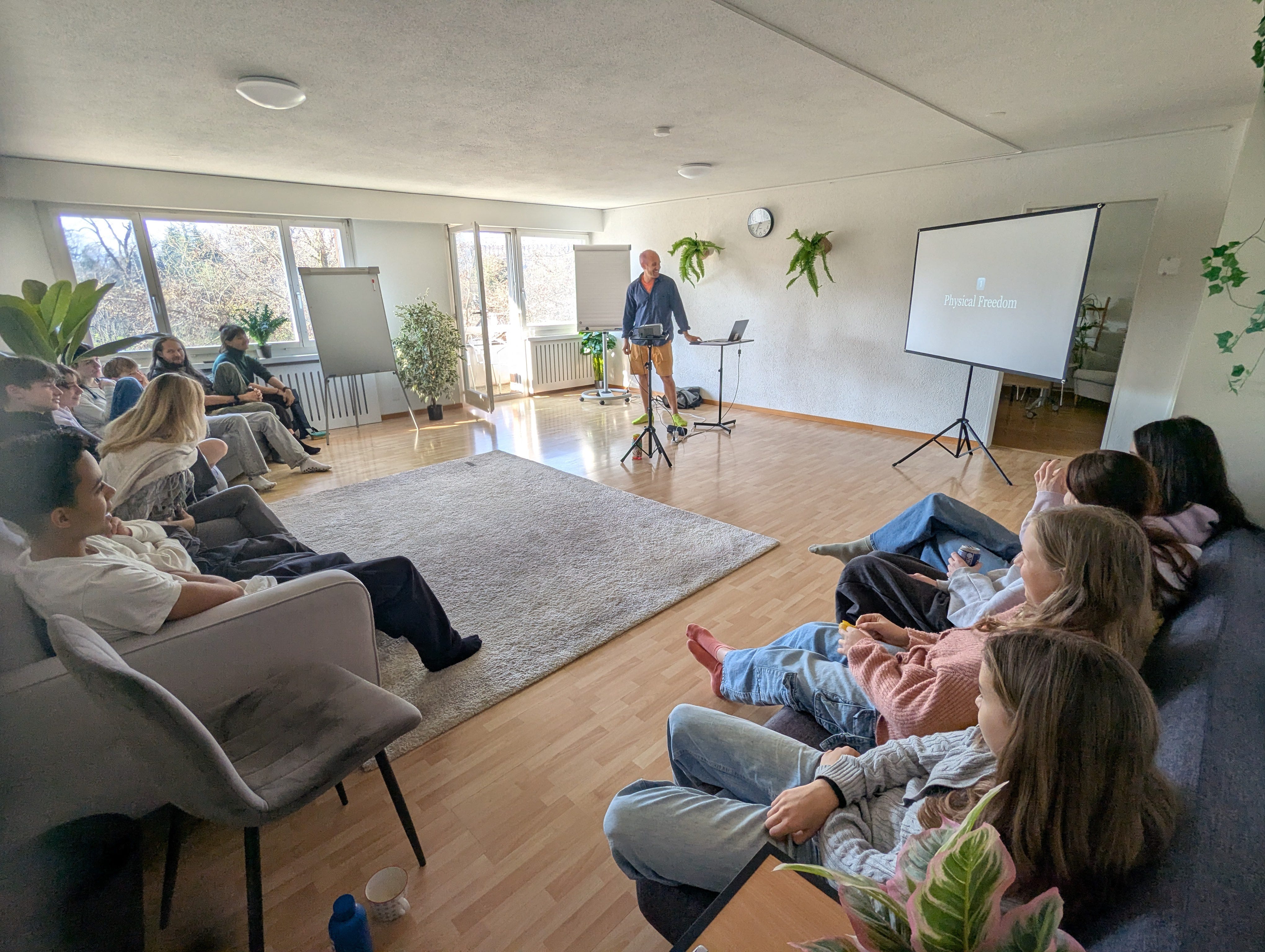
I created the workshop in February, and I was excited to run it because it gave me an excuse to:
discuss three versions of freedom—physical, social, and political—and the connections between them
use some wonderful hands-on activities I’d recently discovered through partner dance (physical freedom) and authentic relating (social freedom)
integrate a few books I’d recently found about Hannah Arendt, Alexei Navalny, and Megan Phelps-Roper (all related to political freedom)
explore the thorny topic of political polarization within the safety of a community that already trusts me (because I’d previously given two workshops at this center)
I also had an ulterior motive for running this workshop. I wanted to seriously address the question: Who am I to talk about “freedom?”
In other words, how am I, as someone who has experienced so little “un-freedom” in life, qualified to speak about this slippery, fraught, and historically complicated notion?
If I’m going to remain relevant to younger generations, I believe this is a question I must take seriously.
Perhaps writing Dirtbag Rich brought me here. Perhaps it was world events and shifting political tides. Regardless, I decided to address this question—both for myself and my teenage audience—right off the bat.
Below is a transcript of the first 15 minutes of How to Be Free: the most lecture-style, “sit and listen” part of the workshop, directly before jumping into two hours of playful, hands-on, and high-vulnerability activities. (At the bottom of this post I link to my full notes and slides, if you’d like to learn more about these activities or run them yourself.)
I’m sharing this to give you a sense of how I’m engaging teenagers these days, how I think about freedom as a relatively privileged westerner, and (if you read the full notes) what’s giving me hope for the future.
No Groundhog Day
Groundhog Day is an old movie about waking up to the same day, over and over—about being stuck in a loop.

The protagonist, played by Bill Murray, tries crazy stuff to escape the loop. He becomes reckless, wild, and indulgent. Nothing works.
Eventually he realizes he needs to change his whole way of being in the world. He focuses more on other people, complains less, and lets himself fall in love.
He wakes to a new day, fresh with possibility.
Do not wake up sick to your stomach
This is how too many people spend their days: waking up sick to your stomach about where they must go and what they must do.
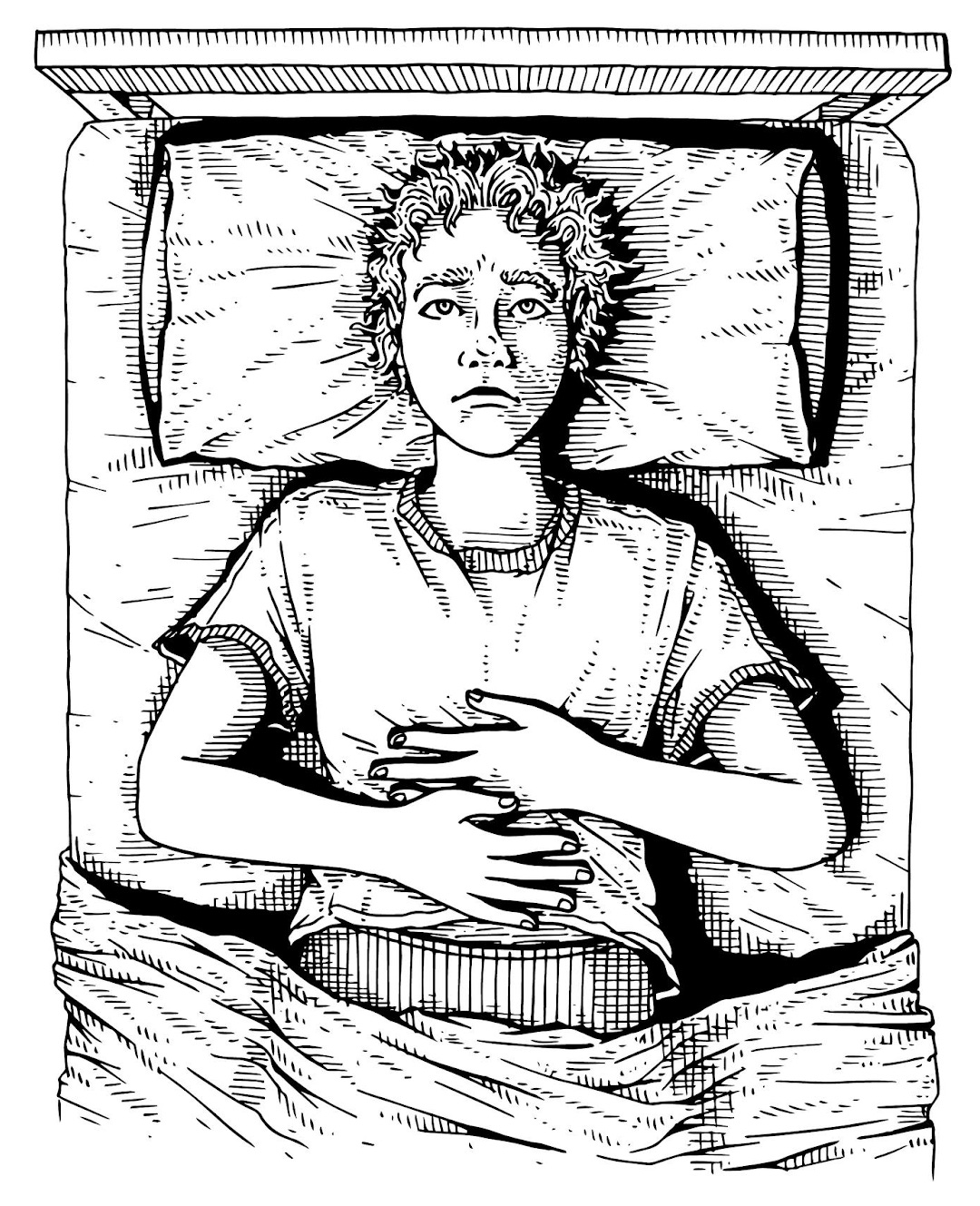
You’ll probably be here at some point, too.
You’ll wake up feeling like you’re stuck in a loop of school, work, or a bad relationship. You won’t be sure how to exit your Groundhog Day.
Plenty of people will give you advice, but ultimately, it will be up to you—to free yourself.
Who am I to talk about “freedom”?
At the same moment I started dreaming up this workshop, I was reading the memoir of the Russian political activist, Alexei Navalny.
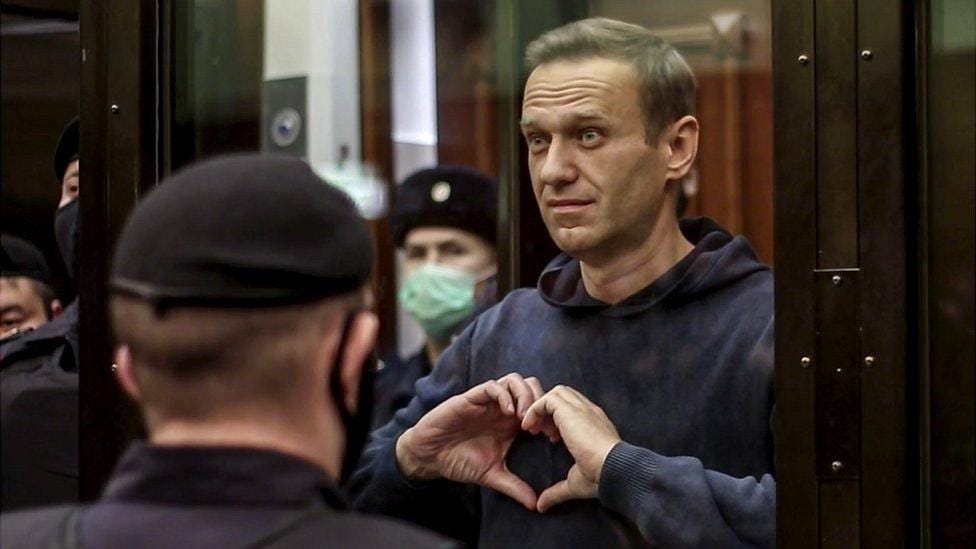
While documenting the corruption of Vladimir Putin’s regime, Navalny was perpetually harassed, imprisoned, and prevented from running for political office. Putin’s henchmen poisoned and almost killed him (watch the documentary “Navalny”). He recovered and returned to Russia, despite knowing that he’d be arrested. Navalny was kept in various prisons, and eventually, in 2024, poisoned again. This time, he did not survive.
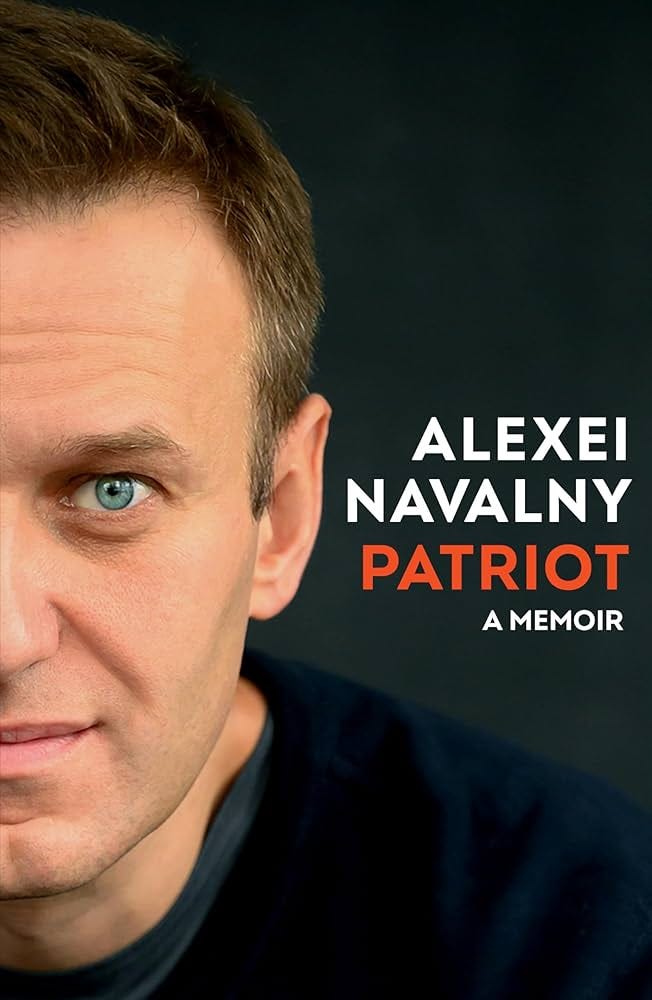
Reading his book, I asked myself, “Who am I to talk about freedom?” This guy put his life on the line.
I thought of various world conflicts taking place [in February 2026]: Gaza, Ukraine, the civil war in Sudan, and the ICE events in Minneapolis.
Compared to so many others, I have experienced so little un-freedom.
Who am I to talk about freedom?
Who are any of us to talk about freedom?
Here we are at an alternative school, in a prosperous country, in the year 2026.
Without a doubt, we are the global and historical “winners.” We are safe, rich, and enjoy more freedoms than almost anyone else. If you had to be born into a random body in a random moment within the past 10,000 years—this is a pretty good time and place.
(This is well documented by the Swedish physician Hans Rosling, the Harvard psychologist Steven Pinker, the economist Deirdre McCloskey, and many others.)
So, really—who are any of us to talk about freedom?
The more free we become, the more we notice un-freedoms
This is the nature of social progress: it’s limitless. The more freedoms we enjoy, the more capacity we have to notice un-freedoms.
In my own lifetime, I saw this happen with gay rights. When I was in middle and high school, I witnessed open ridicule of gay people. That’s different today. The experience of being openly homosexual in the United States has improved massively in two decades.
After the fight for marriage equality was won, activists began focusing on the rights of a smaller and lesser-known group: trans people. Something similar happened with environmental concerns, labor rights, and women’s rights.
And while many different people drive social progress, it’s often the freest and most privileged (like the slavery-era abolitionists) who have the easiest opportunities to make a difference. Because they have resources, they can operate within existing power structures, and they can afford to take bigger risks.
So who are you, or I, to talk about freedom? We are those with the best opportunity (and the moral obligation) to discuss, understand, and fight for freedom.
Don’t obey — and have as much fun as you can
This doesn’t mean you must have the same opinion about “freedom” as everyone around you.
This is the tricky thing about “freedom”—there are many different versions of it, and they quickly come into conflict. There is no one clear path. Distrust anyone who insists otherwise.
Niemand hat das Recht zu gehorchen, wrote the philosopher Hannah Arendt, after documenting the Nuremberg trials of the surviving Nazis after World War 2. This means, “No one has the right to obey.” She wrote this in response to the Nazi officers, both low- and high-level, who claimed they were “just following orders.” They were just obeying.
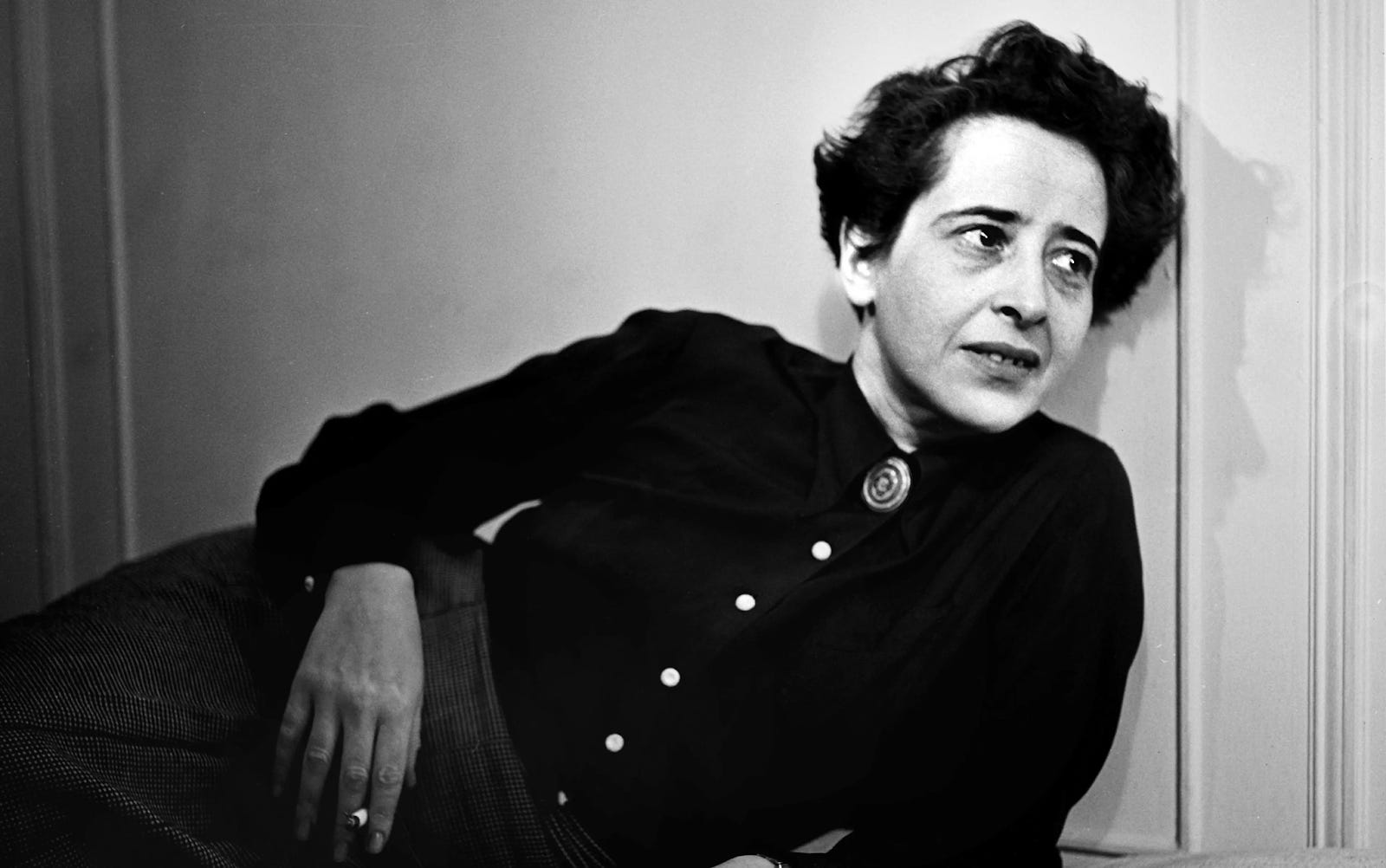
Don’t obey, Arendt argued! You have the obligation to think for yourself, weigh the evidence, and form your own conclusions.
Yes, you are “free” to avoid thinking for yourself. You are “free” to do what your friends, family, or the mob demands. But this, she argued, is a path to unfreedom. I agree.
Popularity doesn’t necessarily make something right. History is not yet written. It’s not obvious how to be “on the right side” of it. The only way to know is to talk, entertain different ideas, and eventually, make a choice.
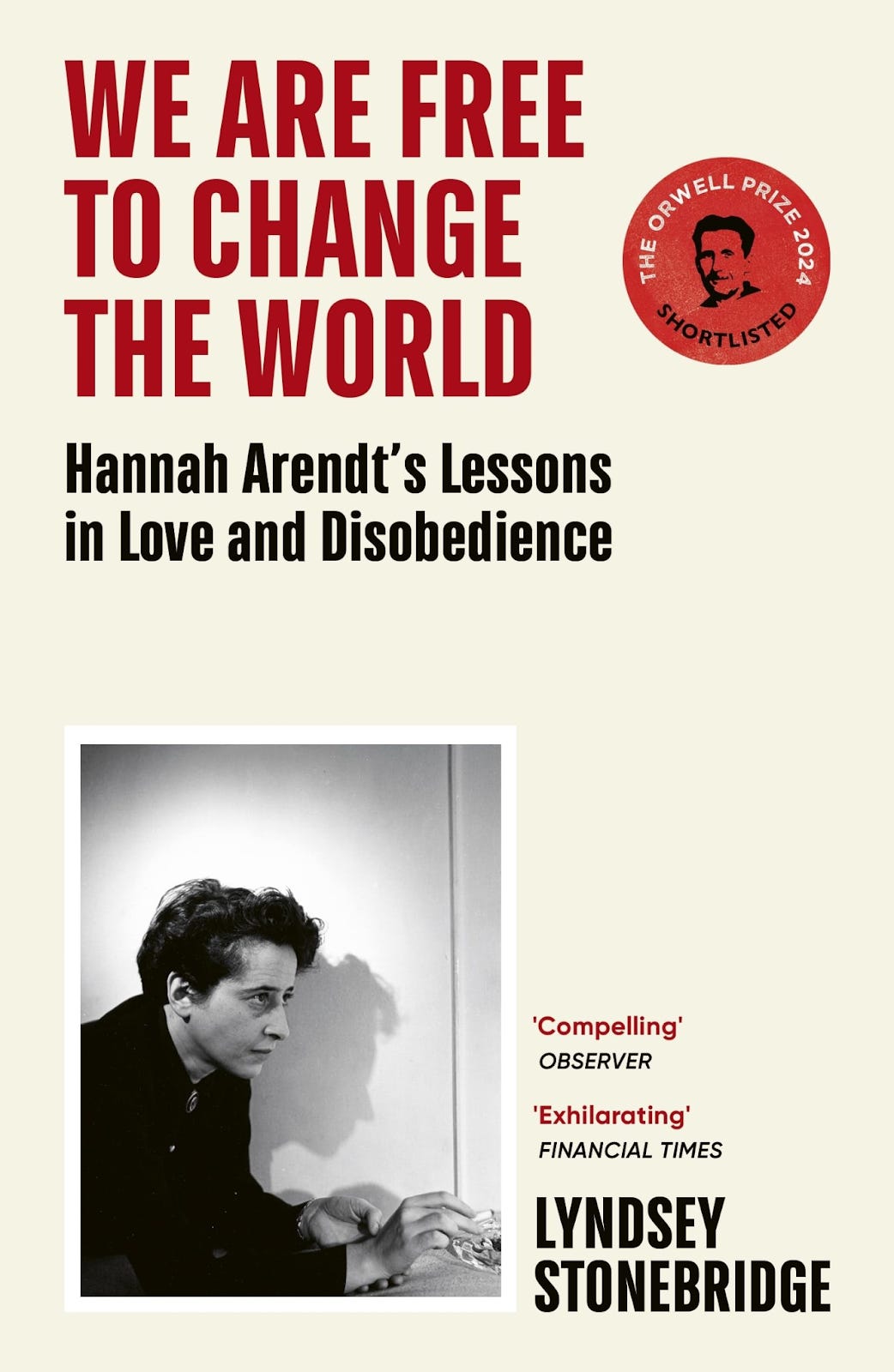
And also: this doesn’t have to be a chore! Thinking is passion—and passionate—Hannah Arendt argued. Political action is fun! Participating in public life opens a new dimension of human experience where change is always possible. Have fun, Arendt urged the student activists of the 1960s; have as much fun as you possibly can.
So who am I?
I’m someone who has tried to have a lot of fun while expanding other people’s freedoms.
I’m not a political organizer, lawyer, or armed freedom fighter. I’m glad that other people have taken these roles, because I’ve benefited from them (as have you).
Rather, when I turned 20, I became obsessed with a certain oppressed class: young people in school.
Compared to those facing genuine war, hunger, displacement, or enslavement, this might seem like a ridiculous statement. From a global and historical perspective, school is something that only wealthy and secure people can access. Why would students in school—even well-funded schools—be “oppressed?”
A few good books changed my mind on this issue, as did a closer examination of my own experience as a “successful student.”
I’ve written extensively about this transformation, but here’s the punchline: School is a prison-like experience for far too many students, one that negatively shapes their views of themselves (and society) for the rest of life.
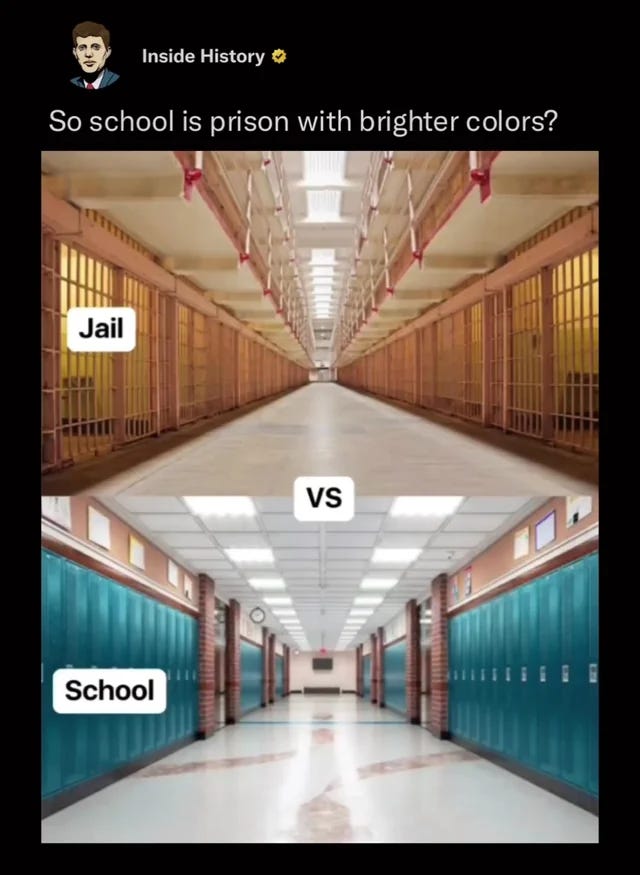
I came to believe that the typical school experience does not create free people. It conditions young people toward a life of servitude, not self-empowerment. It involves too much “obeying,” too little independent thinking, and insufficient quantities of both genuine challenge and genuine fun.
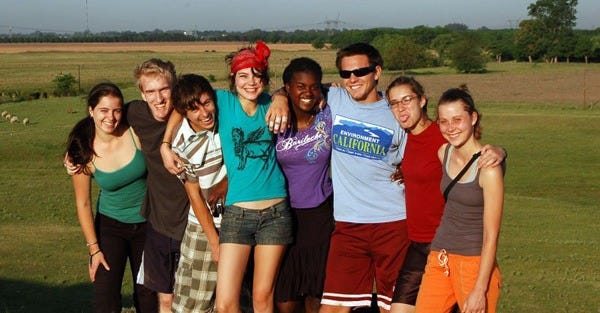
So I dedicated myself to promoting alternatives to school: through writing, speaking, and bringing together groups of young people to experience freedom first-hand, through camps, retreats, travel programs, and small schools & centers that embrace self-directed learning.
Outdoor adventures, summer camps, and youth travel opportunities were exactly where I felt the most freedom as a young person (in the brief moments that I enjoyed these experiences, within an otherwise typical public school upbringing). This mode of education, collectively labeled “experiential education,” brought an incredible amount of growth, joy, challenge, and connection, in a very short amount of time. These are the places where I felt freedom in my bones.
(I also recognize that these environments aren’t for everyone, and were I born into a different brain or body, I wouldn’t necessarily find freedom in summer camps, wilderness, or travel.)
That’s why, for 20+ years, I’ve brought young people together in high-freedom, high-fun, and high-challenge environments, why I’ve learned and grown alongside them, and why I’ve written and spoken about my experiences.
Then, when the work is over, I’ve gone off to continue adventuring with my adult friends (mostly travel, wilderness, and dance), to continue experiencing freedom in my own way. Along the way, I’ve done a ton of reading (in history, politics, psychology, biography, and economics) to try to understand “freedom” from many different perspectives.
Long story short: I’ve been trying hard to avoid Groundhog Day, both inside and outside, for myself and others, for more than two decades.
These, I believe, are my qualifications for discussing freedom.
Freedom must be practiced
But today I don’t just want to talk about freedom with you. I want to practice it.
One of the biggest problems I had with school as a teenager was this: it was all talk, no action. Sometimes we had a field trip or hands-on project, but for the most part, “school” meant sitting, listening, memorizing, and regurgitating.
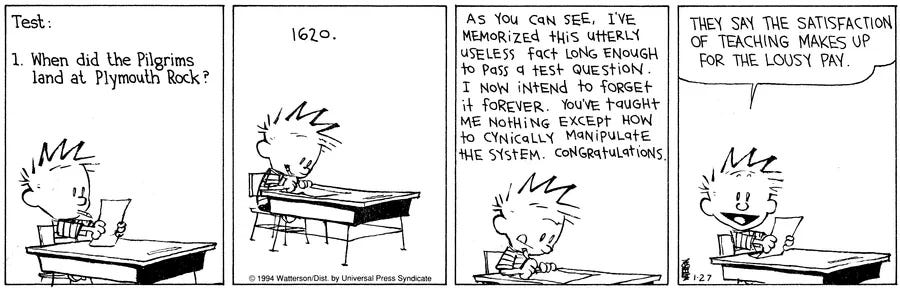
This did not feel like freedom. I wanted to feel freedom in my bones.
You’ve generously given me your time and attention, sitting and listening for the past 15 minutes. Now I’d like to invite you to act—to put freedom into practice—right here, right now, as we experiment with three types of freedom: physical, social, and political. My hope is that, by the end, you too will feel it in your bones.
</introduction>
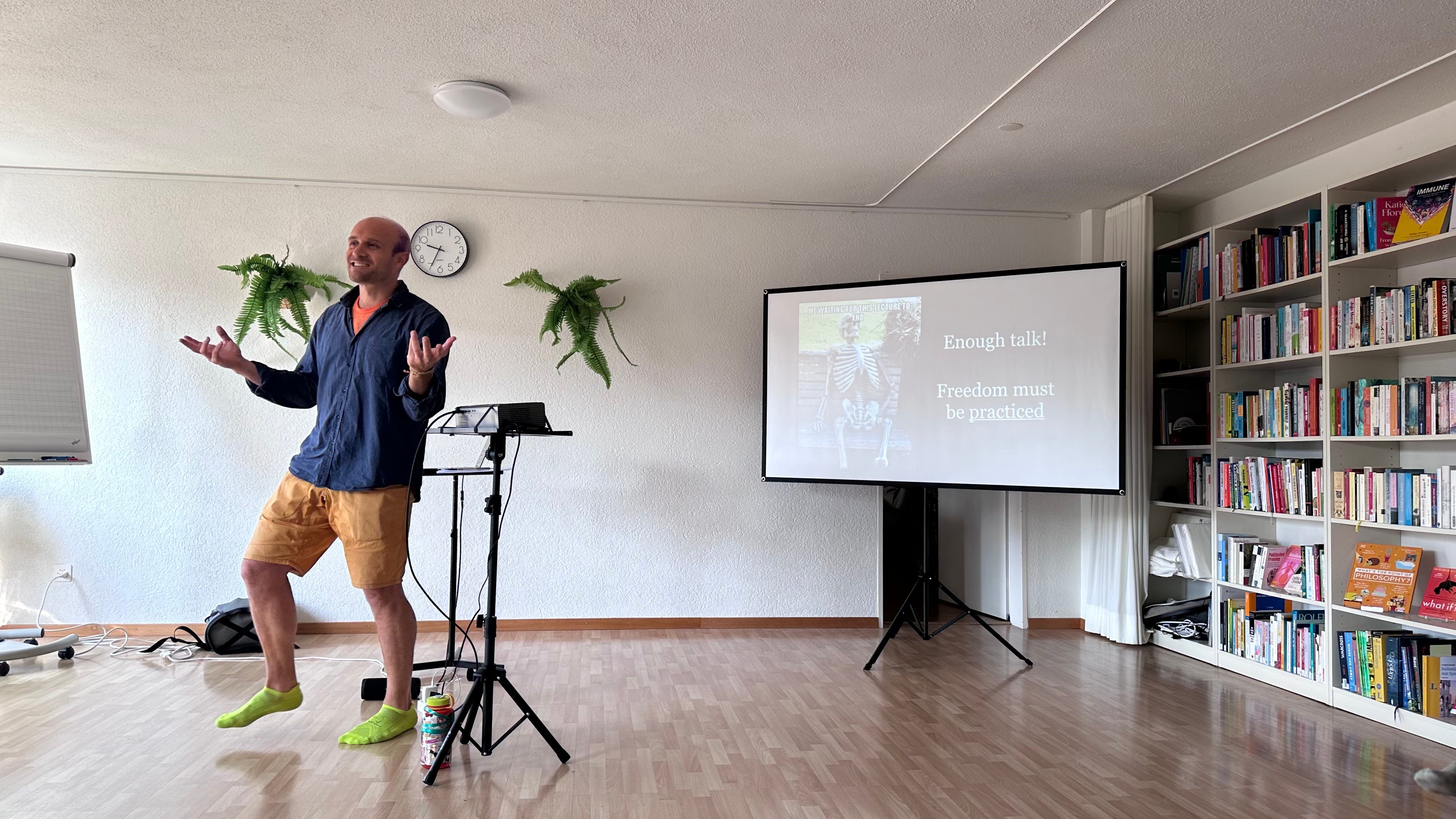
While the rest of workshop is very hands-on (and must be experienced to be fully grasped), you can get a taste for it here:
workshop notes (google doc)
full slides (PDF, previewed below)
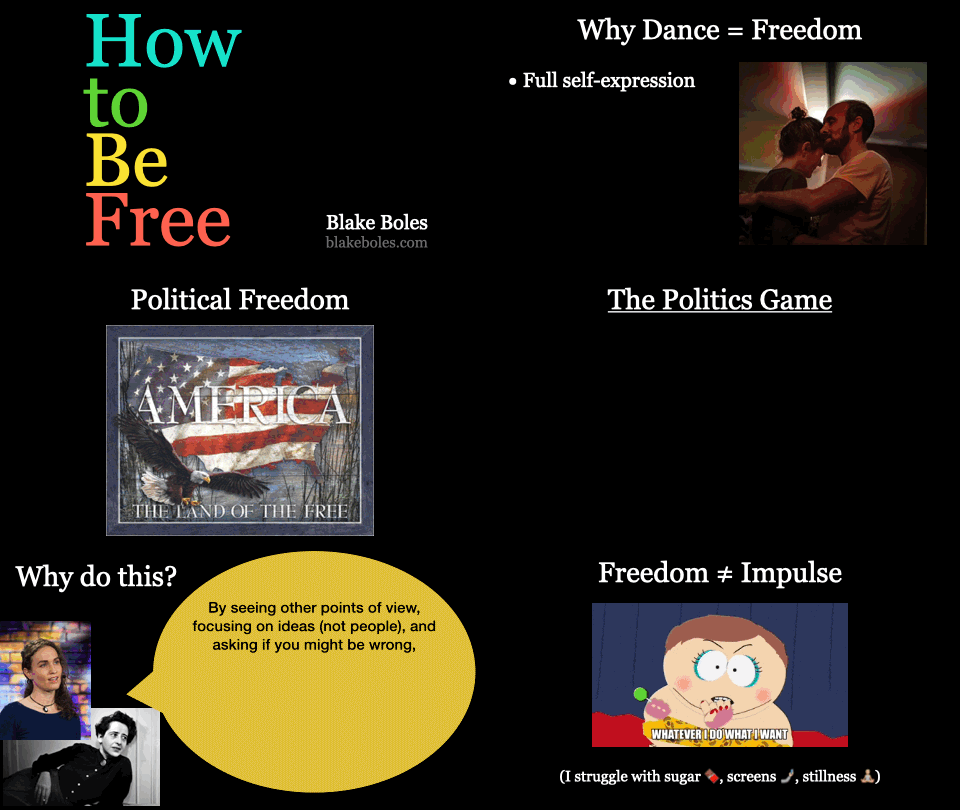
As always, your comments are welcome—critical, constructive, and supportive—both publicly and privately. And if you make a public comment that involves politics, please be extra thoughtful, in the spirit of the workshop.
❤️ Blake
[Big thanks to the Blake Quarterly readers who gave early feedback on the workshop, and to Julie for helping shape this post.]
Hey Blake. I really, really loved this article. I have pretty much not had a lack of freedom because I created my life (and income) on my own terms. I had a few of those early in-the-box experiences/jobs and knew right away that I would not survive that kind of life. I also knew that I might make way less money. I didn’t care. For me, you can’t put a price tag on freedom. Such a great article.
Wow! So powerful. My first thought was the great explanation as to why I should continue to stay active against the un-freedoms I see. Sometimes I think as such a privileged person that it could be seen as a facade but seeing it as “using my position and resources” to help those who can’t is powerful. Thank you.
Second - I keep working more and more on decreasing my “stuckness” to the (wonderful) life I’ve chosen. I really do love my life - great marriage, great kids, great job but I yearn for more freedom, not FROM them but often from the physical surroundings and social boxes I have been put in. So I chisel away on the bonds that hold me to these things and am looking to create a more free life within the life I have chosen. Thanks for the encouragement and ideas!